Things Are Getting Better Autocad For Mac
My first thought is, if you want to be an architect, focus on learning architecture rather than computers. If you're focused on software or hardware, might be better to push your life in that direction.
Oct 7, 2010 - At first I had to chuckle a little when I heard that AutoCAD for Mac supports gestures. Being the uncool unMac user that I am- the only gestures that came. Some things to keep in mind (for you PC guys who have never worked on a Mac). Note: There are two more means of panning the drawing on a Mac. Bonus: Tips to Accelerate Your Approach For a Better Career Ahead. Though these resources will make you stand out from the crowd and get hired at once, you need to focus on various other things, such as: 1. Practice, Practice, Practice. It is common to forget what we learn.
My second though is, get a pc. Most offices use pc's, but not all. The ones that don't use pc's made a bad decision. That has no bearing on you since you're in school. Whenever you get a real job, you'll have to learn all sorts of standards specific to that firm anyway, so the operating system is a small thing buried in with a bunch of other things.
Better to work for a company that's concerned about your interest in architecture rather than your interest in operating systems. Tldr; do most offices run CAD on PCs, - doesn't matter should I learn to do it on my Mac?
- no, because macs suck. Harch: Regarding the first part of your question, the answer is yes, most offices operate in PC environments. That does not mean that there are not offices that operate in Mac environments, it's just that a majority are using PCs. (For example, Vectorworks was, for a long time, only available on Macs.) The reality is that at this point, nearly every piece of software is either available or interchangeable on either platform, or can be run on a Mac via Boot Camp et al. As to your second question - should you learn it on a PC, well, that's entirely up to you. In my opinion, there are no significant differences between the Mac and Windows versions of AutoCAD specifically, and as long as you're comfortable in a Windows environment (i.e., Ctrl vs. ⌘) you're going to be okay.
Additionally, I don't think there's much point in you buying a second device to run a piece of software that works perfectly well on the one you have. Anecdotally, a small boutique firm with a Bring Your Own Device policy may let you continue down your Mac-based path. Use Bootcamp and run Windows. The reason most arch. Firms use PCs is because most of our software is designed for PCs - like AutoCAD, Revit, 3ds Max and Rhino. Rhino and Autocad for Macs suck big time.
The reason our softwares are designed for PC and not for Mac have nothing to do with the hardware itself. Actually most of the guts are the exact same these days. The fact is that architects & engineers are most cost-conscious, and go for PCs, and hence it becomes more obvious to develop for Windows. With Macs getting cheaper, the software manufacturers have started porting Architectural software to the Mac OS side, but they leave a lot to be desired.
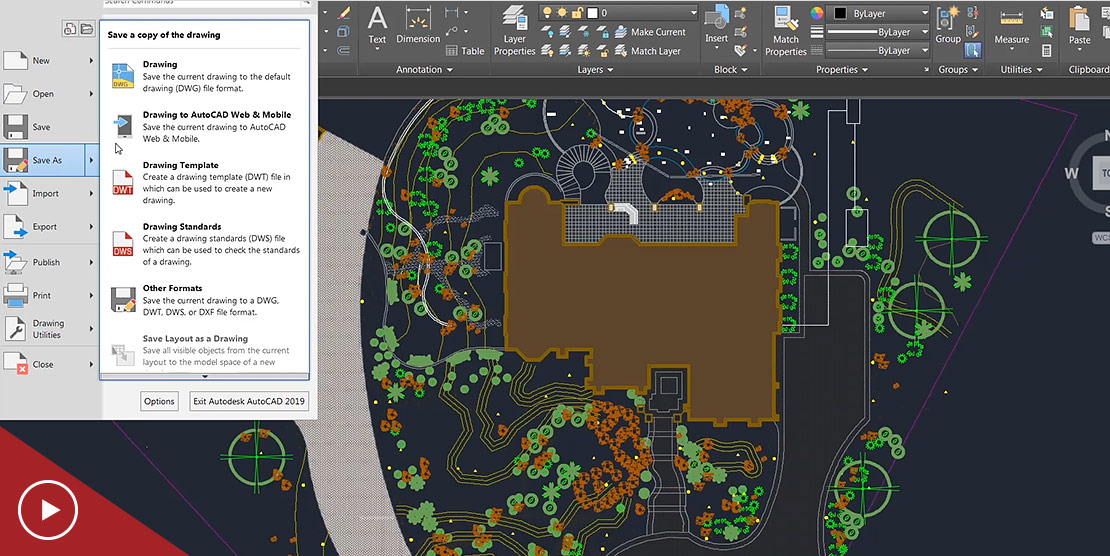
So, yes, go the Bootcamp route - if its basic CAD then you can even do parallels. Download a trial version and have a go at it! H-arch DO NOT run Bootcamp for a major piece of software.just don't.it's a pain in the ass and you will be unhappy and wondering why you did. Choose a PC before you choose this route. The Adobe products are just as usable on a PC.

I know others above say Autocad for Mac sucks but i'm baffled by that statement since I use it everyday. I've worked on autocad for 18yrs (and most of those years on pc's), and I'm not tracking any problems unique to the platform and wishing I was running it native in windows. The biggest plus to getting a PC is the available software options.
But, if you want to keep your mac and just run with what you've got. Get autocad for mac. And Rhino for mac is free (but still in beta testing).
@proto It's not a pain in the ass if you know what you're doing (or can follow a very simple set of instructions). I've been doing it for years with literally zero problems. @thisisnotmyname My point was just that Macs are very capable of successfully running anything in Windows that an architecture student might need.
If a performance-oriented place like MIT (via their huge budget, sure) has decided on Macs, that is illustrative of the fact that they can run everything an architecture student might use as well as PCs can. @placebeyondthesplines, perhaps I'm out of date on what Bootcamp does for you. Correct me if i'm wrong: -you're running & paying for two OS's with likely duplicate copies of essential items like email, calendars, web browsers, work file directories, user profiles, hard drive partitions, backup solutions, etc.you have to reboot to change between worlds (ie, do you synch your email clients btwn windows & macOS?) If you need to run an exclusively PC program (3DStudio, for example), what is so precious about macOS that you wouldn't just move to windows completely and work in a single world? (i like mac, but not so much that i would cling to it when my daily business tells me otherwise (ie needing other tools) ). The two points listed shows just how inexperienced and out of touch you are with technology.
With the speed of reboots and cloud syncing that is indifferent to the operating system, it takes seconds to switch from one machine to another. So simple most casual home users can even do it and endure the oh so humiliating pain of a restart over faster than most can complain. Backup plans are incredibly cheap and cross-platform in 2015. The pedestrian services like Dropbox, Drive, Backblaze, S3, Azure, etc. Will sync fine; or just grab a bunch of hard drives and configure them accordingly. A technical person able to install Windows via Boot Camp will figure it out after all these years. Log into any browser and voila, all the mail is there.
For a daily machine, it makes no sense to constantly reboot via Boot Camp but no one does that with full intent. It's simply an option that presents a lot of flexibility for a little compromise in manageable downtime. Restart, wait ten seconds, continue. What's so precious about Windows that you need a native machine? There's no fundamental difference between a Mac or any other generic Windows machine when booting into Boot Camp except the argument that you can get the same machine for cheaper. But that's none of your concern what someone else values or chooses to pay extra for. Just as some choose not to opt for a HP or Dell workstation with service coverage and instead deal with their own troubles on a self-built machine.
Your personal preferences don't change the reality that when properly set up, a Mac is fine for a student or professional. What an impressively toxic thread. Most of these comments aren't even addressing the question. @ harch - I'm currently in a similar boat. From all the research I've done I would say you'll be fine using the computer you already own for now. With certain software, you will get better performance on your laptop just by booting into Windows via bootcamp.
Songs About Things Getting Better
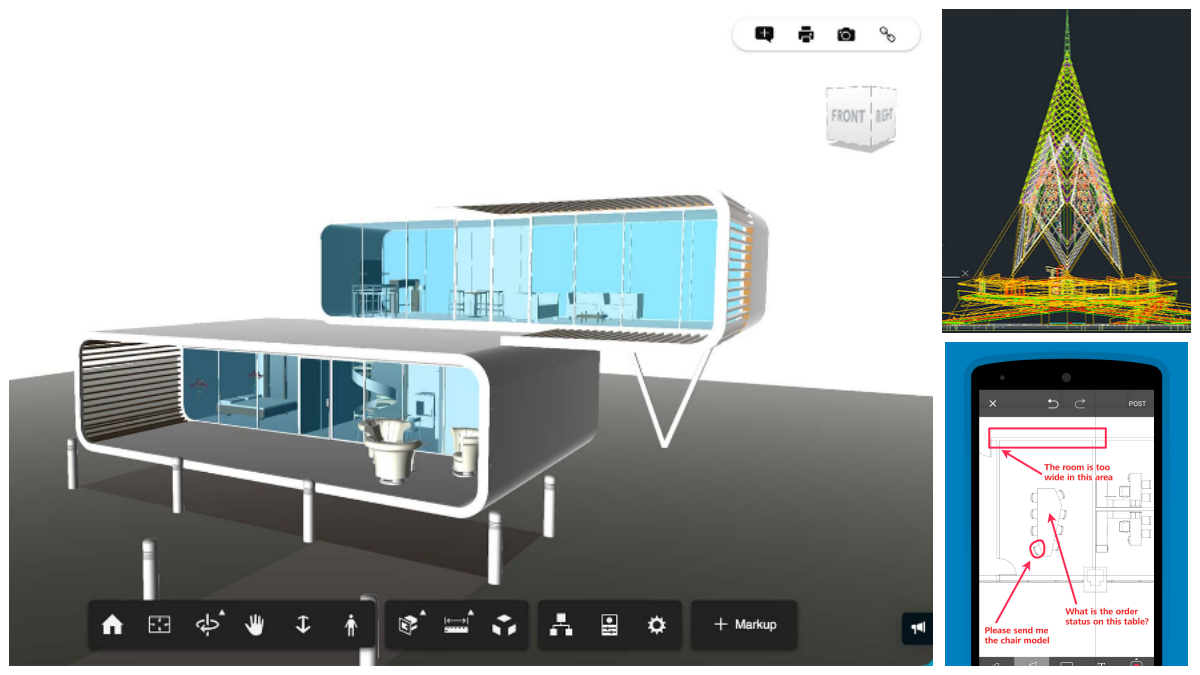
Buying a copy of Windows 10 is much cheaper than a new laptop. If you run into a situation where your current MacBook Pro just won't cut it, you can look into an upgrade.
Your main advantage to purchasing a more powerful Mac vs. A PC, will be the support.
Chances are, you live near an Apple Store where you will find better support than any PC manufacturer can provide. A PC will be MUCH cheaper however. A comparably configured XPS 15 vs. A MacBook Pro 15 has a price difference of about $1000. If you have the cash, that trade off is worth it to some. In a pinch, when your deadline is near and your laptop isn't working right, you have someplace to go where you can find help (especially if you get the Applecare+ extended warranty).
Hot tip: buy from the Apple Refurbished site to save some of that expense. There's really no downside to it other than the availability of some products. The discount is better than the education discount usually. If you can't justify that extra expense and would rather save money and deal with any potential issues yourself, I would recommend a Dell Precision 5520 or 5530. These laptops are pretty much the same as the Dell XPS 15, only they have hardware that is optimized for things like CAD. They are thin, light, have great build quality, and preform well.
They are also priced well if you catch a sale. They were recently on a very good Black Friday sale.
I can't say I know much about how many firms use Macs or PCs but I assume the commenters above are correct. It seems most use PCs, but some prefer Macs. I wouldn't worry about that much. Good luck with your studies!
AutoCAD for Mac software brings robust 3D free-form design tools and powerful drafting capabilities to your platform of choice. It takes full advantage of the Mac OS X platform, with an intuitive, graphical user interface that makes it easy to bring your ideas to life. Subscribe to the official AutoCAD YouTube channel to get the latest and greatest tutorials, tips & tricks and product news: Stay connected. Join AutoCAD on: Facebook: Twitter: Pinterest: LinkedIn: Xing: Find more AutoCAD videos in our playlists: AutoCAD Webinars: Lynn Allen's Tips & Tricks for AutoCAD 2016: About AutoCAD: Simulate and animate stunning 2D and 3D designs with AutoCAD. Professionals rely on our animation software for the simple reason that AutoCAD offers a solid workflow between desktop, cloud, and mobile apps. On the AutoCAD YouTube channel, we keep you up-to-date regarding new trends in animation technology and design. Our intuitive modeling, drawing and drafting software has engineers, architects, and designers convinced from all over the world.
Closing the gap between digital and manual design and drafting, AutoCAD helps you bring your ideas to life.